Dealers
Trade-ins and auction units
Smoke and mildew in units headed for the front line, timed around your recon flow.
A field guide for cars, trucks, SUVs and dealer stock
Smoke settles into the headliner. Mildew soaks the carpet pad. A fragrance bomb hides both for a few days. This guide shows owners, dealers and fleet managers how to treat odor at its source, and what to ask before anyone starts.
Draft guide. No operator is verified yet, so nothing on this site books a job.
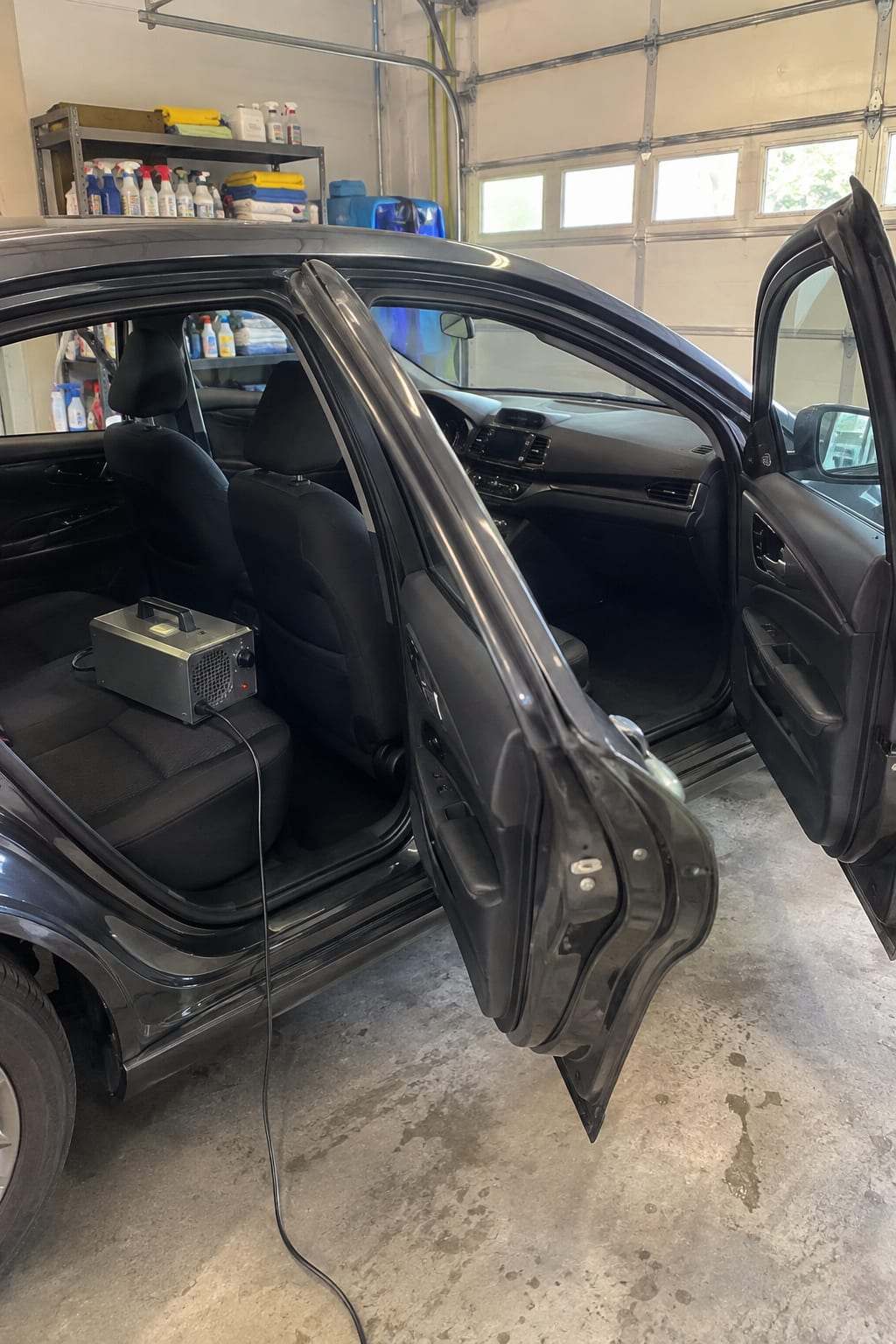
Treat the source first, then the air.
Five places to check
A detail cleans what you can see. These five spots hold the smell that comes back once the cab warms up.
Smoke and mildew coat the evaporator behind the dash. Run the fan on high: if the smell gusts out of the vents, cleaning surfaces alone won't fix it.
Smoke film builds on the fabric overhead, heaviest above the driver. Compare its color with the trim around the dome light.
Spills and sweat soak through the upholstery into the foam underneath, where a surface shampoo never reaches.
Water from a door seal or a tipped drink wicks into the pad under the carpet and stays damp long after the carpet feels dry.
A leaking hatch, wet gear and the spare-tire well collect water nobody checks until the listing photos.
Ask whether ozone, bleach or fragrance is part of the plan. Fragrance covers a smell and leaves its source in the cabin.
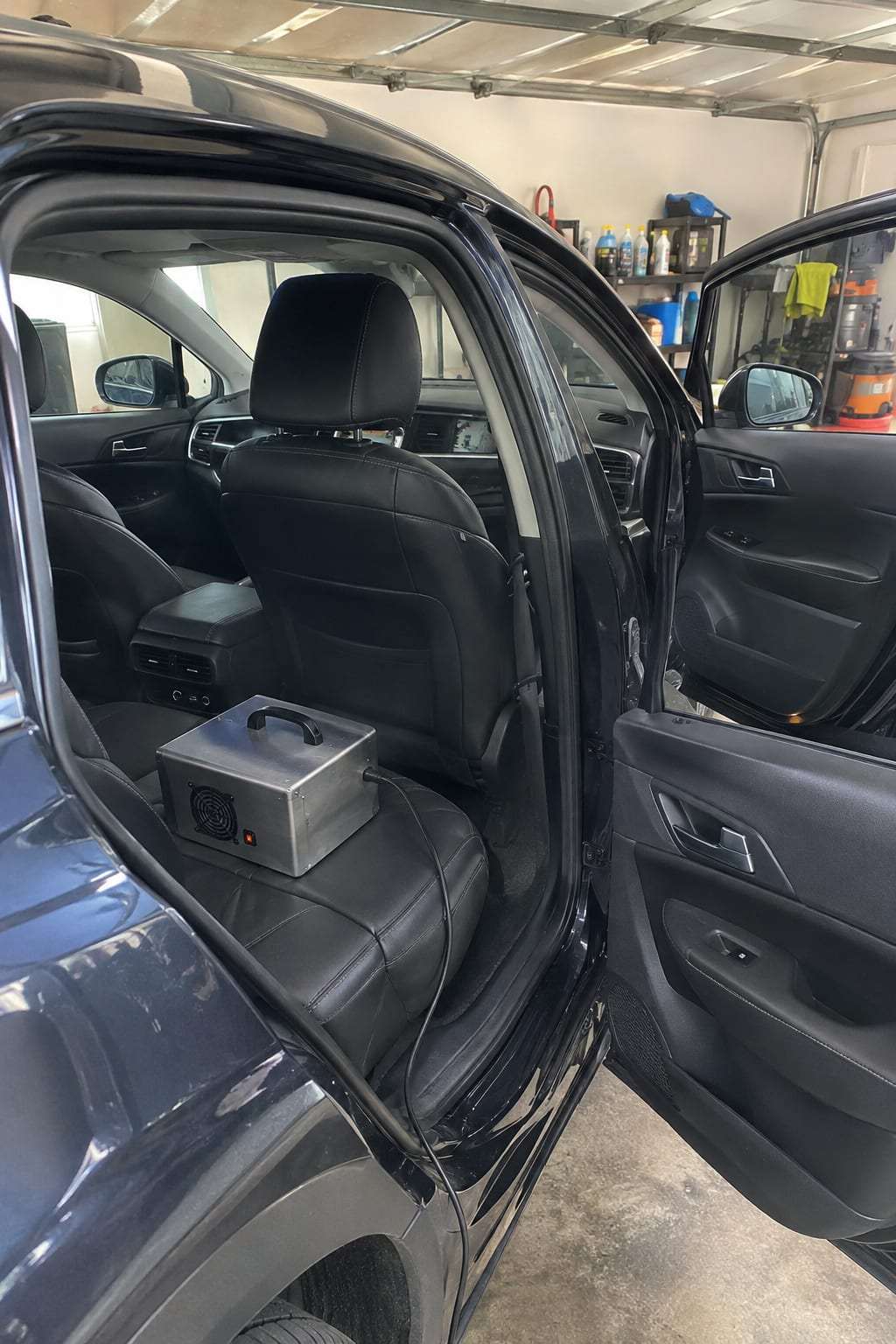
Open the driver's door of a pickup that smells of cigarettes, or lift the gate on an SUV with a damp cargo well, and the offer drops before anyone checks the tires. On a dealer lot that unit sits. In a fleet yard every new driver files the same complaint.
Source-first treatment finds where the odor is concentrated, cleans the fabric, foam, carpet and headliner holding it, then treats the whole cabin through the ventilation system. A single family SUV and a twelve-unit recon queue get the same sequence.
Dealers
Smoke and mildew in units headed for the front line, timed around your recon flow.
Owners
A truck or SUV you bought used, or one you want to list without a smell.
Fleets
Crew trucks, vans and rideshare cars that pass between drivers.
For dealers
Treat odor after the mechanical work and before the final detail, so the detail crew cleans each surface once.
Step 1
Intake and appraisal
Step 2
Mechanical
Step 3
Odor treatment
Step 4
Detail
Step 5
Photos and listing
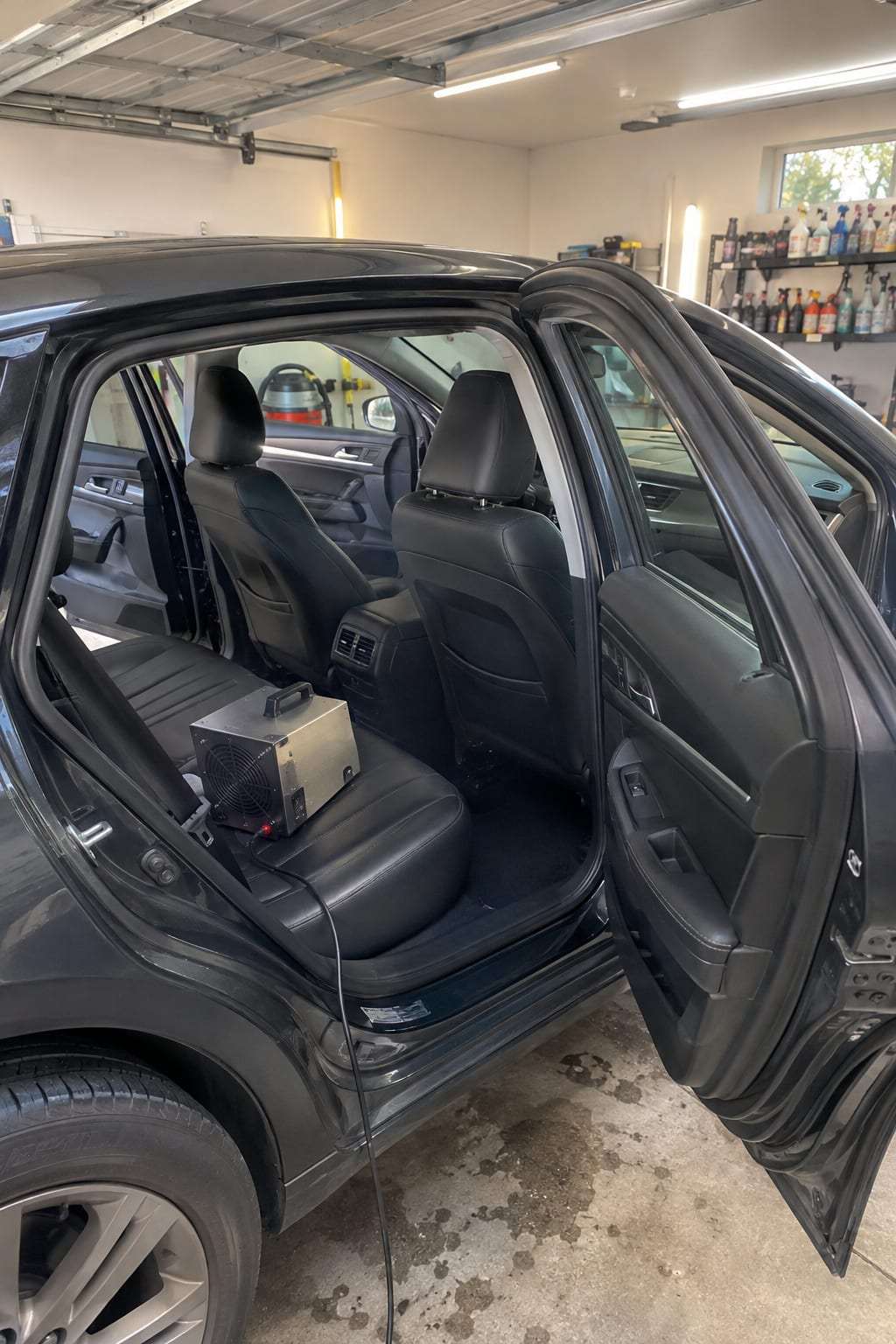
Treating odor ahead of the final detail means each surface gets cleaned once, and the unit photographs clean.
Ask whether a provider can take several units at once, timed around your recon flow and lot space.
Ask for a short written note of what was found and treated in each vehicle, filed with the stock number.
When a soaked headliner or seat foam needs replacing, a good provider says so before you pay for treatment.
For owners
Selling privately, trading in, or done living with the smell in a truck you bought used: the same source-first sequence applies. Bigger cabins, cloth seats and third rows mean more material to treat, so a truck or SUV needs an assessment before anyone quotes a price.
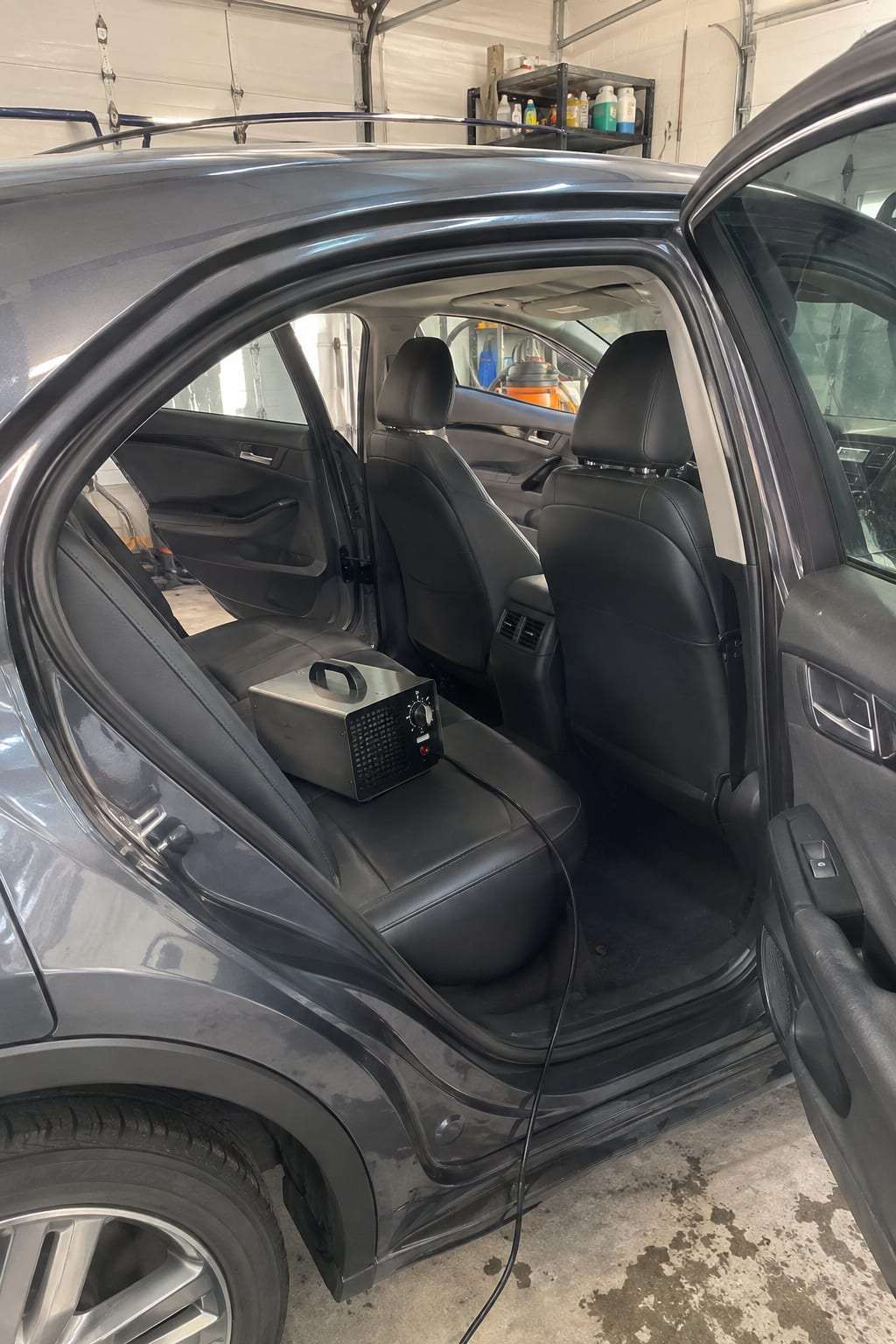
Each vehicle gets assessed first, so the work matches the odor and the materials holding it.
Check seats, carpet, headliner, cargo area and the vents with the fan on high.
Work out which materials hold the odor and how deep it goes.
Put the plan in writing, including anything that needs replacing instead of cleaning.
Clean the affected materials, then treat the whole cabin through the HVAC system.
Close the vehicle up, let it warm in the sun, and check again before it returns to work or the lot.
Arvada straddles Jefferson and Adams counties northwest of Denver, from the brick blocks around Olde Town to newer subdivisions toward Candelas and Leyden Rock. Most households here commute, haul kids or gear, and head into the foothills on weekends, and each habit leaves its own smell in a cabin.
One family car or a yard of work trucks, you face the same question: what is holding the odor, and how much of it needs treatment. Tell any provider how many vehicles you have and when you need them back.
ZIP codes served: 80002 (Arvada), 80003 (Arvada), 80004 (Arvada), 80005 (Arvada), 80007 (Arvada).
Also nearby: 80033, 80212, 80030, 80221, 80211, 80214, 80215, 80031, 80204, 80202, 80260, 80226, 80216, 80021, 80205, 80203, 80229, 80218.
Guides, checklists and area notes for owners, dealers and fleets in the northwest metro.
Short answers to what owners, dealers and fleet managers ask first.
Often. Providers treat single units and batches. Give volume and front-line dates when you ask for a quote.
A neutral cabin shows better to buyers and appraisers. Value depends on many other factors, so nobody can promise a specific increase.
That depends on the vehicle and the odor. Ask for a time estimate alongside the quote.
Most smoke odor responds to treatment of the headliner, seats, carpet and HVAC. Severe cases can need a second round, or new parts where the material is saturated.
Usually. RVs and boats have the same soft materials and air systems, with more of them. Ask whether a provider works on your vehicle.
Ask before work starts. Ozone can harden rubber and plastic trim, and bleach or added fragrance leave a smell of their own.
It changes how the vehicle shows and how fast it sells, but no one can promise a specific value change. Appraisers flag smoke and other odors because they take work to remove, and treatment answers that concern directly.
Expect questions about the vehicles, the odors and your deadline. Dealers and fleets should give unit counts up front. Get the quote, the scope and the schedule in writing before work starts.
This form is not connected. This website is a draft preview: no business has been confirmed to receive requests, so the fields below are switched off and nothing can be sent. In an emergency, call 911.
Clear out the cabin, change the cabin air filter, and write down the units and dates. Then pick a provider you have checked, and get the quote and scope in writing.